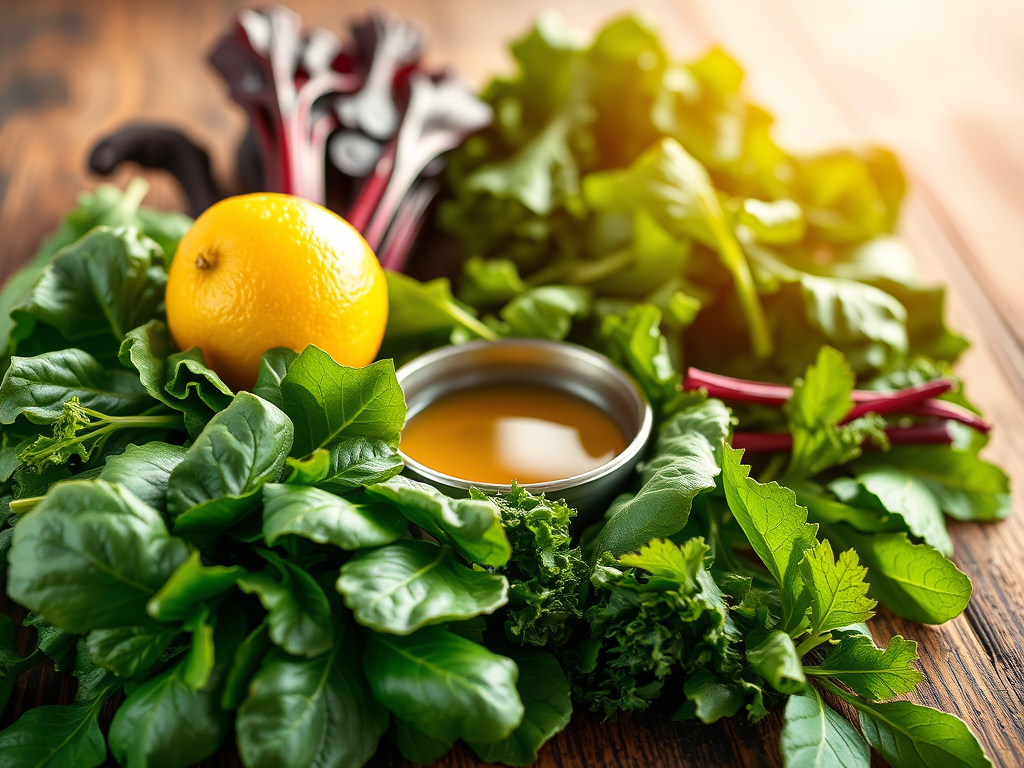
When it comes to muscle building and recovery, most people immediately think of protein-packed foods like lean meats, tofu, or protein shakes. However, one often overlooked yet essential component of any fitness diet is leafy greens. These vibrant vegetables aren’t just good for your overall health—they also play a crucial role in supporting muscle growth and recovery.
Leafy greens are packed with a range of vitamins, minerals, and phytonutrients that help with muscle function, reduce inflammation, and promote faster recovery. In this guide, we’ll explore some of the best muscle-friendly leafy greens and how you can incorporate them into your diet to enhance your fitness journey.
Why Leafy Greens Are Essential for Muscle Health
Leafy greens might not be the first food you associate with muscle building, but they are essential for maintaining overall health, which is key to any fitness goal. Here are some reasons why incorporating leafy greens into your diet can help you achieve better muscle health and performance:
- High in Antioxidants: Regular exercise, especially intense workouts, can cause oxidative stress in the body. Leafy greens are packed with antioxidants like vitamin C, vitamin E, and beta-carotene, which help fight free radicals and reduce inflammation.
- Rich in Magnesium: Magnesium is a mineral essential for muscle function, relaxation, and recovery. It also plays a role in energy production. Many leafy greens are rich in magnesium, which can help prevent cramps, promote muscle relaxation, and support the production of ATP (adenosine triphosphate), the primary energy source for muscles.
- Loaded with Vitamins and Minerals: Vitamins like vitamin A, vitamin K, and folate found in leafy greens are vital for maintaining bone health, reducing inflammation, and aiding in muscle recovery.
- Natural Sources of Protein: While leafy greens aren’t as protein-dense as other foods, many varieties still contain moderate amounts of protein that contribute to your daily intake, making them a valuable addition to your muscle-building nutrition plan.
Top Muscle-Friendly Leafy Greens
Now that we understand why leafy greens are so beneficial for muscle health, let’s take a closer look at some of the best options that should be a staple in your diet.
1. Spinach
Spinach is one of the most versatile leafy greens available and is widely recognized for its muscle-building benefits. It contains a good amount of protein—about 2.9 grams per 100 grams of cooked spinach—making it a great addition to muscle-recovery meals.
Why Spinach is Good for Muscles:
- Magnesium: Spinach is an excellent source of magnesium, which is crucial for muscle relaxation and reducing cramps post-workout.
- Iron: Iron helps transport oxygen to your muscles, which is essential for stamina and performance.
- Antioxidants: Spinach is rich in antioxidants like flavonoids and carotenoids, which help reduce inflammation and improve recovery after a workout.
How to Incorporate Spinach Into Your Diet:
- Add fresh spinach to smoothies for a nutrient-packed boost.
- Sauté spinach with olive oil and garlic for a delicious side dish.
- Use it as a base for your salad, mixing it with protein-rich ingredients like chickpeas or quinoa.
2. Kale
Kale is often referred to as a “superfood,” and for good reason. This leafy green is packed with nutrients that support muscle health and overall fitness goals.
Why Kale is Good for Muscles:
- High in Protein: Kale contains more protein than many other leafy greens, with approximately 4 grams of protein per 100 grams.
- Rich in Vitamin K: Kale is an excellent source of vitamin K, which plays a crucial role in bone health. Healthy bones are essential for strong muscles and efficient movement.
- Calcium: While not as abundant as dairy products, kale contains a fair amount of calcium, which supports muscle contraction and bone strength.
How to Incorporate Kale Into Your Diet:
- Try making a kale salad with a lemon-tahini dressing for a refreshing, muscle-friendly meal.
- Use kale as a wrap substitute for a low-carb alternative to sandwich bread.
- Blend kale into soups, stews, or even smoothies for a nutrient-rich boost.
3. Swiss Chard
Swiss chard is another nutrient-dense green that’s beneficial for muscle recovery and overall fitness. It has a slightly earthy taste and is rich in vitamins and minerals that can help reduce muscle soreness and enhance performance.
Why Swiss Chard is Good for Muscles:
- Magnesium: Like spinach, Swiss chard is a great source of magnesium, which helps relax muscles and reduce cramps.
- Potassium: Potassium is an electrolyte that plays a key role in muscle function and preventing muscle fatigue.
- Vitamin A and K: These vitamins are essential for maintaining strong bones and healthy muscles, making Swiss chard an excellent post-workout food.
How to Incorporate Swiss Chard Into Your Diet:
- Sauté Swiss chard with garlic and olive oil for a quick, tasty side dish.
- Add Swiss chard to pasta dishes or soups to increase your greens intake.
- Toss it into a smoothie for added fiber and nutrients.
4. Arugula
Arugula, often used in salads, is a peppery leafy green that’s packed with essential nutrients to help support muscle health and recovery.
Why Arugula is Good for Muscles:
- Rich in Nitrates: Arugula contains nitrates, which have been shown to enhance blood flow and reduce the oxygen cost of exercise. This can improve exercise performance and support muscle endurance.
- High in Calcium and Magnesium: Both of these minerals play a role in muscle contraction, relaxation, and overall muscle function.
- Vitamin C: Vitamin C is essential for collagen production, which is important for muscle recovery and tissue repair.
How to Incorporate Arugula Into Your Diet:
- Use arugula as the base for a fresh salad, topped with grilled chicken, chickpeas, or nuts for extra protein.
- Add it to sandwiches or wraps for a peppery bite.
- Toss arugula in with other greens to make a nutrient-packed smoothie.
5. Collard Greens
Collard greens are a staple in many Southern dishes, and they pack a powerful punch in terms of their health benefits. These thick, dark leaves are nutrient-rich and perfect for building strong, healthy muscles.
Why Collard Greens are Good for Muscles:
- Calcium: Collard greens are one of the best plant-based sources of calcium, which is essential for muscle contraction and bone health.
- High in Fiber: The fiber in collard greens helps with digestion and supports overall gut health, which is important for nutrient absorption.
- Rich in Vitamin C: Collard greens provide a good amount of vitamin C, which supports the production of collagen and helps reduce inflammation after intense workouts.
How to Incorporate Collard Greens Into Your Diet:
- Steam collard greens and pair them with a protein like tofu or tempeh for a balanced meal.
- Make collard green wraps by using large leaves as a substitute for tortillas.
- Add them to soups, stews, or curries for a hearty, muscle-boosting meal.
How Leafy Greens Support Muscle Recovery
Post-workout recovery is just as important as the workout itself, and leafy greens can play a significant role in speeding up the recovery process. Here’s how:
- Reduce Inflammation: The antioxidants found in leafy greens help reduce the inflammation that occurs after intense physical activity.
- Repair Muscle Tissue: Vitamins and minerals like vitamin C, calcium, and magnesium promote tissue repair and muscle regeneration.
- Replenish Nutrients: After exercise, your body needs to replenish lost nutrients like potassium and magnesium, which leafy greens provide in abundance.
Tips for Including Leafy Greens in Your Diet
If you’re not used to eating leafy greens regularly, here are some simple ways to incorporate them into your daily meals:
- Start with Smoothies: Add a handful of spinach, kale, or Swiss chard to your smoothie. The other ingredients will mask the taste, and you’ll get a nutrient boost.
- Add to Every Meal: Whether it’s a side of sautéed greens with dinner, a salad at lunch, or leafy greens mixed into your breakfast omelette, find ways to incorporate them into every meal.
- Meal Prep: Pre-wash and chop greens for the week so you have them ready to go for quick meals.
- Mix with Other Vegetables: Pair leafy greens with other vegetables in soups, stews, or stir-fries for added nutrition.
Conclusion
Leafy greens are a powerhouse when it comes to supporting muscle health, recovery, and overall fitness. They provide an array of vitamins, minerals, and antioxidants that can help reduce inflammation, prevent muscle cramps, and support bone health. Adding muscle-friendly leafy greens like spinach, kale, Swiss chard, arugula, and collard greens to your diet is an easy and delicious way to enhance your fitness journey.
Start incorporating these nutrient-dense greens into your meals today, and experience the difference they can make in your muscle-building and recovery efforts.
Leave a Reply