Introduction
Protein is an essential nutrient that plays a crucial role in muscle growth, repair, immune function, and overall health. For those following a plant-based diet, meeting daily protein goals can seem challenging, but it’s entirely possible with the right knowledge and food choices. Whether you’re a beginner transitioning to a plant-based lifestyle or simply looking to boost your plant protein intake, understanding how to meet your daily protein needs is key to feeling energized and supporting your body’s functions. In this guide, we’ll walk you through everything you need to know about setting and achieving your daily plant protein goals.
Why Plant-Based Protein Matters
Protein is made up of amino acids, which are the building blocks of the body. While animal-based proteins contain all nine essential amino acids (complete proteins), plant-based proteins are often considered incomplete. However, by combining various plant-based protein sources, you can easily obtain all the essential amino acids your body needs.
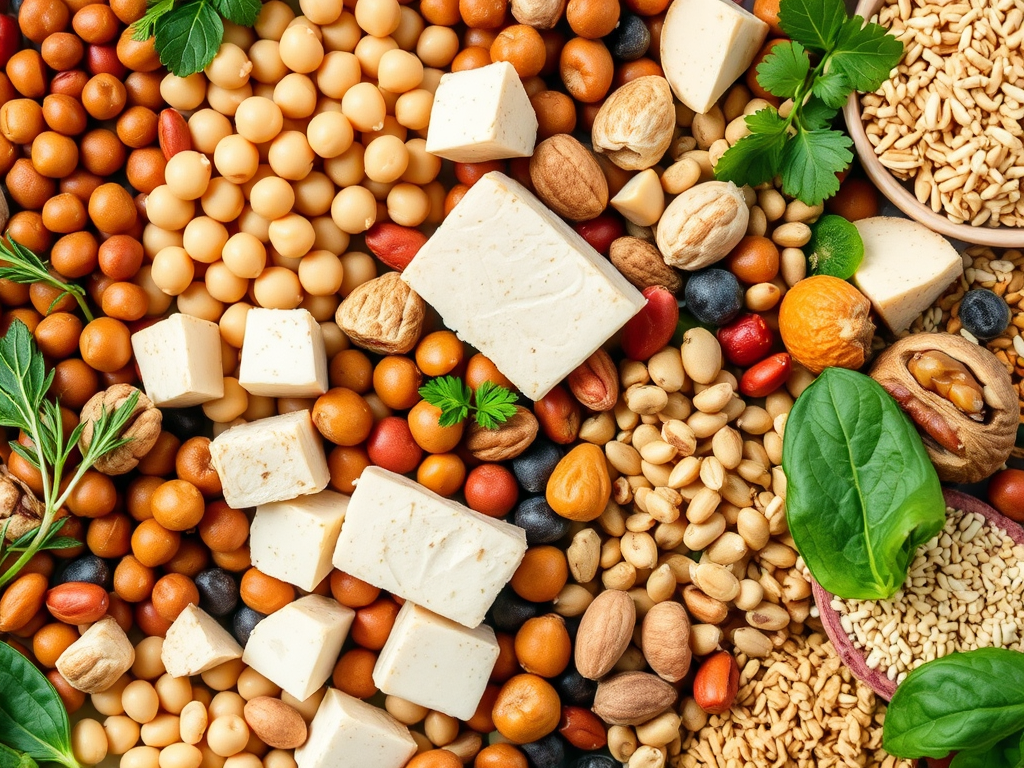
Plant-based proteins come from a variety of sources, including beans, lentils, nuts, seeds, tofu, tempeh, whole grains, and more. These foods not only provide protein but also come with added fiber, vitamins, and minerals, making them an excellent choice for overall health and wellness.
How Much Protein Do You Need?
The recommended daily intake of protein varies depending on factors like age, gender, activity level, and fitness goals. For the average adult, the general recommendation is:
- 0.8 grams of protein per kilogram of body weight for the average adult.
- For athletes or those doing intense workouts, protein needs may increase to 1.2 to 2.0 grams per kilogram of body weight to support muscle recovery and growth.
As a beginner, it’s important to first determine your daily protein goal based on your weight and activity level. Once you have a target, you can plan your meals to ensure you’re meeting your needs.
How to Meet Your Daily Plant Protein Goals
Meeting your protein goals as a beginner on a plant-based diet doesn’t have to be complicated. Here are some practical tips to help you get started:
1. Include a Variety of Protein Sources
Since some plant-based proteins are considered incomplete, it’s essential to include a variety of protein-rich foods in your diet. This ensures you get all nine essential amino acids over the course of the day.
Great plant protein sources include:
- Legumes: Lentils, chickpeas, black beans, kidney beans, and peas
- Tofu and Tempeh: Rich in protein and calcium
- Nuts and Seeds: Almonds, peanuts, chia seeds, hemp seeds, flaxseeds, sunflower seeds
- Whole Grains: Quinoa, farro, bulgur, oats, brown rice
- Green Vegetables: Spinach, kale, and broccoli
- Plant-Based Protein Powders: Pea protein, rice protein, hemp protein
2. Aim for Protein in Every Meal
To make sure you’re meeting your protein goals, try to incorporate protein into every meal. This doesn’t mean you need to eat a protein-rich food with every bite, but aim to include a good source of plant-based protein at each meal.
Example meal ideas:
- Breakfast: Oatmeal with chia seeds, hemp seeds, and almond butter
- Lunch: Quinoa salad with chickpeas, mixed greens, and avocado
- Snack: Almonds or a plant-based protein bar
- Dinner: Stir-fry with tofu, edamame, broccoli, and brown rice
3. Track Your Protein Intake
As a beginner, tracking your protein intake can help you understand how much protein you’re consuming and ensure you’re meeting your daily goals. You can use a food tracking app like MyFitnessPal or Cronometer to monitor your protein intake and adjust your meals as needed.
4. Supplement with Plant-Based Protein Powder
If you find it difficult to meet your protein needs through whole foods alone, plant-based protein powder can be a convenient and effective way to fill the gap. Look for powders made from pea protein, hemp protein, or brown rice protein, which are all great options for muscle recovery and general wellness.
How to Use It:
- Smoothies: Add protein powder to your smoothie for a quick and easy protein boost.
- Baking: Incorporate protein powder into baked goods like protein pancakes, muffins, or energy balls.
- Snacks: Mix protein powder into plant-based milk for a quick protein shake.
5. Focus on Protein-Rich Snacks
In addition to meals, it’s important to have protein-rich snacks throughout the day to meet your daily goals. Snacks like edamame, roasted chickpeas, protein bars, and nut butter are easy to prepare and provide a great protein boost.
Protein-Rich Snack Ideas:
- Roasted chickpeas or lentil chips
- Nut butter on whole-grain crackers or apple slices
- Plant-based protein bars or balls
- A handful of mixed nuts and seeds
Sample Meal Plan for Plant Protein Beginners
Here’s a simple meal plan that includes a variety of plant-based protein sources to help you meet your daily protein needs:
- Breakfast: Overnight oats with chia seeds, almond butter, and blueberries (12g protein)
- Snack: Apple slices with peanut butter (8g protein)
- Lunch: Quinoa salad with chickpeas, mixed greens, avocado, and tahini dressing (18g protein)
- Snack: Hummus with veggie sticks (10g protein)
- Dinner: Stir-fry with tofu, broccoli, and brown rice (20g protein)
- Evening Snack: Protein smoothie with plant-based protein powder, banana, and spinach (25g protein)
Total Protein: Approximately 93g of protein, which may be adjusted based on your individual needs.
Conclusion
Meeting your daily plant protein goals as a beginner is entirely achievable with the right food choices and meal planning. By incorporating a variety of plant-based protein sources into your meals and snacks, you’ll be well on your way to building a balanced, healthy, and protein-rich diet. Whether you’re an athlete, fitness enthusiast, or someone simply transitioning to a plant-based lifestyle, ensuring adequate protein intake is essential for muscle maintenance, recovery, and overall health. Start small, track your progress, and enjoy the benefits of a plant-powered diet!
Leave a Reply