Introduction
We’ve all been there: the anxiety, the butterflies in your stomach, and the pressure of delivering a flawless presentation. Whether it’s a job interview, a business pitch, or a class presentation, what you eat before the big day can play a significant role in your performance. The right foods can help enhance focus, stabilize energy levels, and reduce anxiety, while the wrong choices may leave you feeling sluggish or distracted.
In this article, we’ll explore the importance of smart eating before a presentation, the best foods to fuel your brain, and the ones to avoid. With the right approach, you’ll not only feel more confident but also perform at your best.
1. The Connection Between Food and Brain Function
How Food Impacts Your Brain
Your brain requires energy to function, especially during mentally demanding tasks like public speaking. The foods you consume directly impact your cognitive performance, energy levels, and mood. Eating the right foods before a presentation can improve focus, memory, and mental clarity, while poor food choices can lead to a lack of energy, foggy thinking, and stress.
Brain-Boosting Nutrients
Several nutrients are essential for optimal brain function, particularly during a high-stakes situation like a presentation:
- Carbohydrates: The brain’s primary source of energy. Complex carbs provide a slow and steady release of glucose, keeping your energy levels stable.
- Proteins: Crucial for neurotransmitter production, which supports communication between brain cells and helps improve focus and concentration.
- Healthy Fats: Omega-3 fatty acids, found in fatty fish, are essential for brain health and cognitive function.
- Vitamins and Minerals: Certain vitamins (like B vitamins) and minerals (like magnesium) are vital for brain function, reducing stress, and maintaining energy levels.
By choosing the right foods, you can optimize your brain’s performance, ensuring that you stay sharp, calm, and confident during your presentation.
2. The Best Foods to Eat Before a Big Presentation
1. Whole Grains: Long-Lasting Energy
Whole grains, like oats, quinoa, and brown rice, are rich in complex carbohydrates. Unlike simple carbs found in sugary snacks, complex carbs provide a steady source of glucose, which is the brain’s main fuel source. Eating whole grains can help you maintain focus and energy throughout your presentation without the risk of an energy crash.
Smart Meal Idea:
A whole-grain toast with avocado or a small bowl of oatmeal topped with nuts is an excellent pre-presentation snack or breakfast.
2. Fatty Fish: Omega-3s for Brain Power
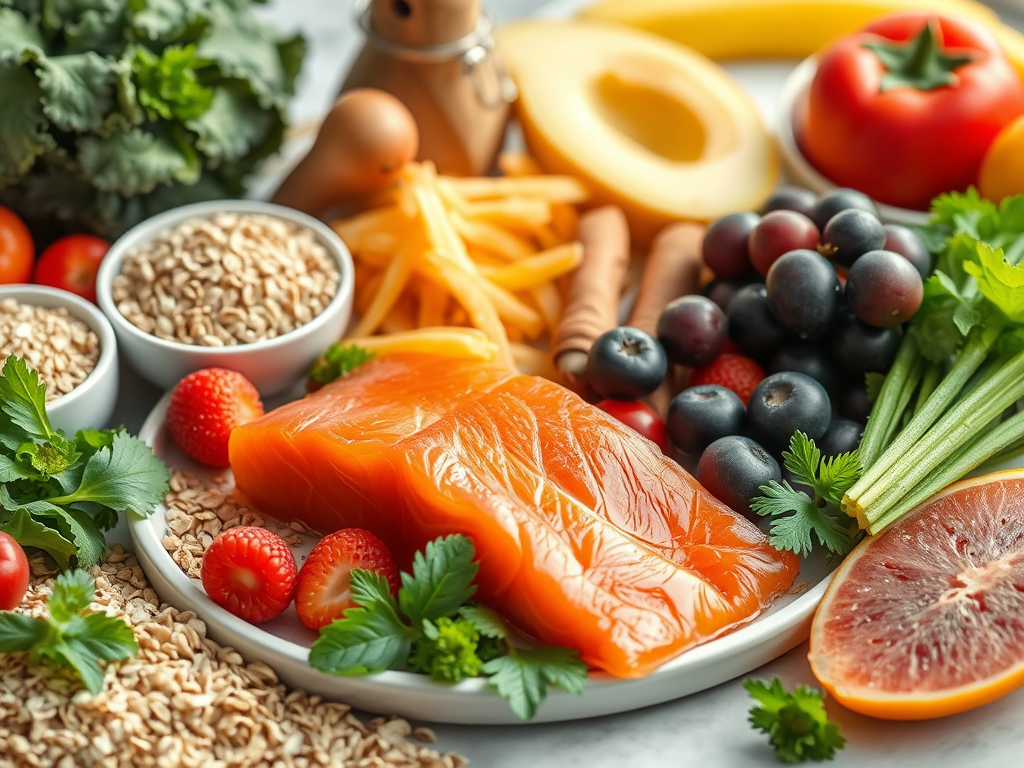
Fatty fish, like salmon, mackerel, and sardines, are rich in omega-3 fatty acids, which are crucial for brain health. Omega-3s improve cognitive function, enhance memory, and help reduce stress and anxiety. Consuming these healthy fats can give you a mental edge before your presentation.
Smart Meal Idea:
A grilled salmon fillet with a side of steamed vegetables and brown rice can be a great lunch to keep your brain sharp and focused.
3. Leafy Greens: Packed with Magnesium
Spinach, kale, and Swiss chard are all rich in magnesium, which helps to regulate neurotransmitter function and relax the muscles, reducing stress and anxiety. Magnesium also supports the energy production in the body, helping you stay energized and calm during high-pressure situations.
Smart Meal Idea:
A spinach salad with a boiled egg and a light olive oil vinaigrette can provide both energy and relaxation before your presentation.
4. Berries: Antioxidants for Mental Clarity
Berries like blueberries, strawberries, and blackberries are packed with antioxidants, which help protect the brain from oxidative stress. Antioxidants also enhance brain function, improving memory and focus. Eating a small bowl of berries before your presentation can give you a natural mental boost.
Smart Snack Idea:
A small bowl of mixed berries or a smoothie made with berries and Greek yogurt can help boost focus and memory.
5. Bananas: Natural Energy Boost
Bananas are an excellent source of potassium, which helps regulate muscle function and maintains steady energy levels. The natural sugars in bananas, combined with fiber, provide a quick, sustainable energy boost. Bananas also help reduce stress due to their high vitamin B6 content, which is important for producing serotonin, the mood-regulating neurotransmitter.
Smart Snack Idea:
A banana with a spoonful of almond butter makes for a delicious and energizing snack before your presentation.
6. Nuts and Seeds: Protein and Healthy Fats
Nuts like almonds, walnuts, and cashews, along with seeds like chia seeds and pumpkin seeds, are excellent sources of protein, healthy fats, and magnesium. These nutrients help keep blood sugar stable, improve cognitive function, and provide steady energy. Snacking on nuts and seeds can keep you feeling full and focused without the risk of energy crashes.
Smart Snack Idea:
A small handful of almonds and pumpkin seeds can be an ideal snack to munch on before stepping into a presentation.
3. Foods to Avoid Before a Presentation
While certain foods can enhance your performance, others can hinder your ability to focus and perform well. Here’s what to avoid before your big presentation:
1. Sugary Snacks and Drinks
Foods and beverages high in refined sugar, like candy, pastries, and soda, can cause rapid spikes in blood sugar, followed by crashes that leave you feeling sluggish, tired, and irritable. Avoid sugary foods and drinks before your presentation to maintain steady energy and focus.
2. Caffeine (in Excess)
While caffeine in moderate amounts can boost alertness, too much caffeine can increase anxiety and nervousness, making it harder to stay calm and focused. A cup of coffee or tea can be beneficial, but avoid overconsumption.
3. Heavy, Greasy Foods
Heavy, greasy foods like fast food, fried foods, or large portions of red meat can leave you feeling bloated and lethargic. These foods can also interfere with digestion, making you uncomfortable during your presentation.
4. Dairy Products (if You’re Sensitive)
While dairy products like cheese and milk provide essential nutrients, they can sometimes cause discomfort for people who are lactose intolerant or sensitive to dairy. Avoid dairy if you find that it leads to bloating or digestive issues.
4. Smart Eating Tips for the Day of Your Presentation
Now that you know which foods to eat and avoid, here are some additional tips to help you stay energized and focused on the day of your presentation:
1. Eat a Balanced Meal 2-3 Hours Before
Having a balanced meal 2-3 hours before your presentation will ensure you have enough time to digest and absorb the nutrients. Make sure to include complex carbs, protein, and healthy fats in this meal to provide sustained energy.
2. Stay Hydrated
Dehydration can impair cognitive function and lead to fatigue. Drink plenty of water throughout the day leading up to your presentation. You can also sip on herbal teas like ginger tea or peppermint tea, which can help calm your nerves.
3. Avoid Overeating
While it’s important to fuel your body, avoid overeating before your presentation. A large meal can make you feel sluggish and reduce your alertness. Opt for moderate portions that provide nourishment without overloading your digestive system.
4. Snack Wisely Before the Presentation
If you’re feeling a little hungry before the presentation, opt for a small, brain-boosting snack like a banana with almond butter, a handful of nuts, or some berries. These snacks will give you the energy and focus you need without making you feel too full or sluggish.
5. Conclusion
What you eat before a big presentation plays a crucial role in determining how you feel and perform. By focusing on whole, nutrient-dense foods that provide sustained energy, you can boost your focus, memory, and confidence while minimizing feelings of anxiety and fatigue. Avoid sugary, heavy, or greasy foods that can leave you feeling sluggish, and instead, choose meals and snacks that support your brain health and energy levels.
Remember, the right foods can make all the difference in how you perform during your presentation. With smart eating, you can approach the stage feeling sharp, energized, and ready to deliver your best.
Leave a Reply